What Should Alberta Shoppers Know Before Buying the 2026 Chevrolet Colorado?
September 15 2026,
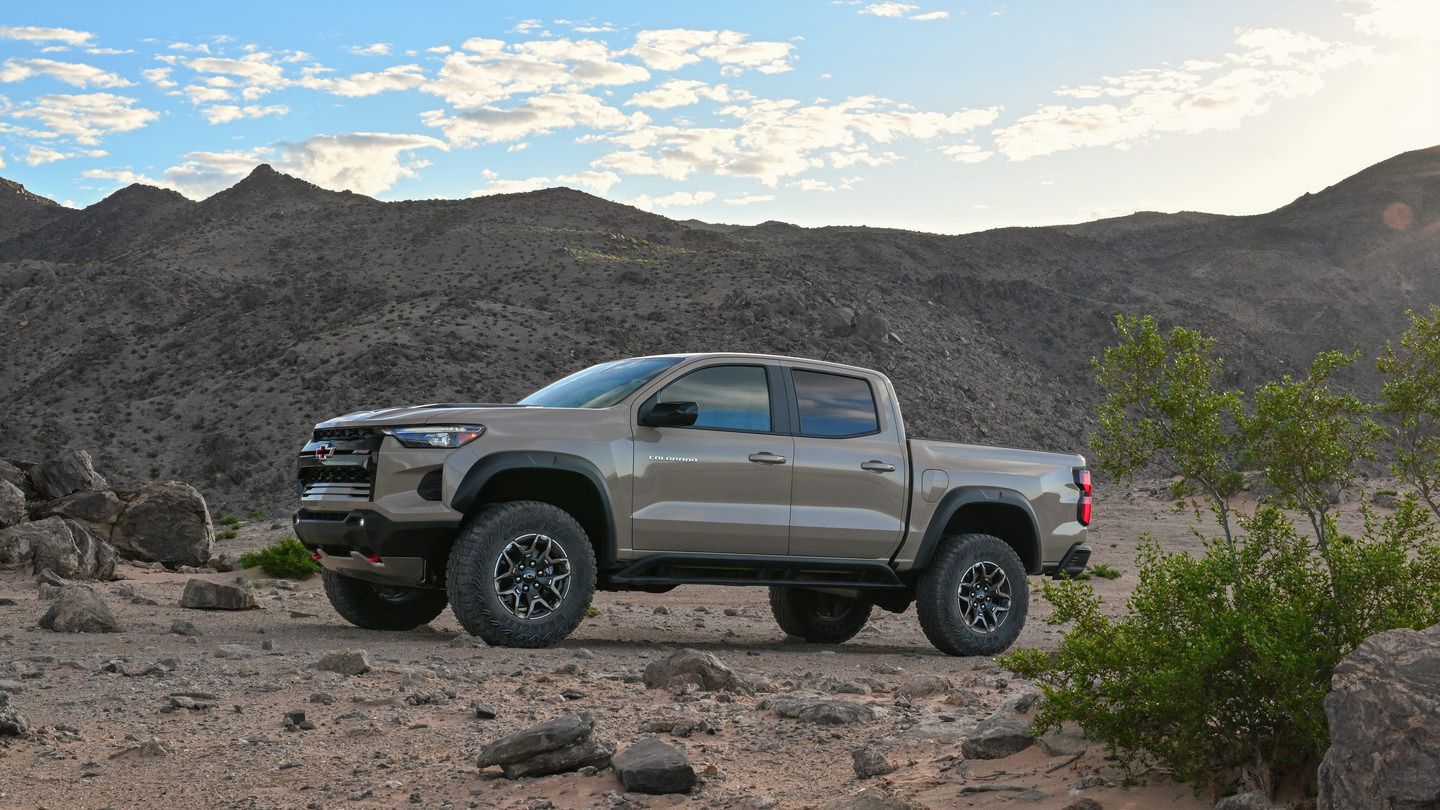
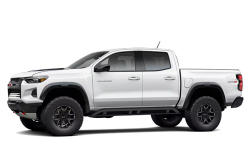
Shopping for a midsize pickup in Alberta usually means juggling a few different jobs at once: a highway commute, a gravel access road, maybe a trailer on weekends. The 2026 Chevrolet Colorado answers with five trims built around one core powertrain, so the real decision isn’t about horsepower. It’s about which combination of clearance, payload, and towing hardware actually matches how you drive.
Why the 2026 Colorado Deserves a Look
Every 2026 Colorado trim, from WT through ZR2, comes with four-wheel drive as standard equipment. That matters directly on Alberta roads, where pavement can turn to gravel, or a job site, with no warning. WT and LT use a single-speed Autotrac transfer case, while Trail Boss, Z71, and ZR2 step up to a two-speed Autotrac case built for low-range crawling.
One engine covers the entire lineup: a 2.7-litre TurboMax turbocharged four-cylinder making 310 hp and 430 lb-ft of torque, paired with an eight-speed automatic. Output doesn’t change between a work-focused WT and a trail-ready ZR2. What changes is everything built around that engine.
At roughly 5.4 metres long on a 3,337 mm wheelbase, the Colorado is sized to fit a standard driveway or parking stall while still carrying a 1,567 mm long, 1,494 mm wide cargo box with 1,186 L of volume. All five trims seat five people, useful whether that’s a work crew riding to a site or a family loading up for the weekend.
What to Confirm Before You Order
A few equipment details separate a Colorado that fits your plans from one that doesn’t:
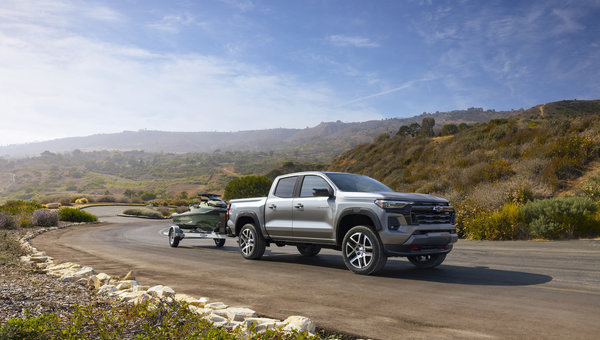
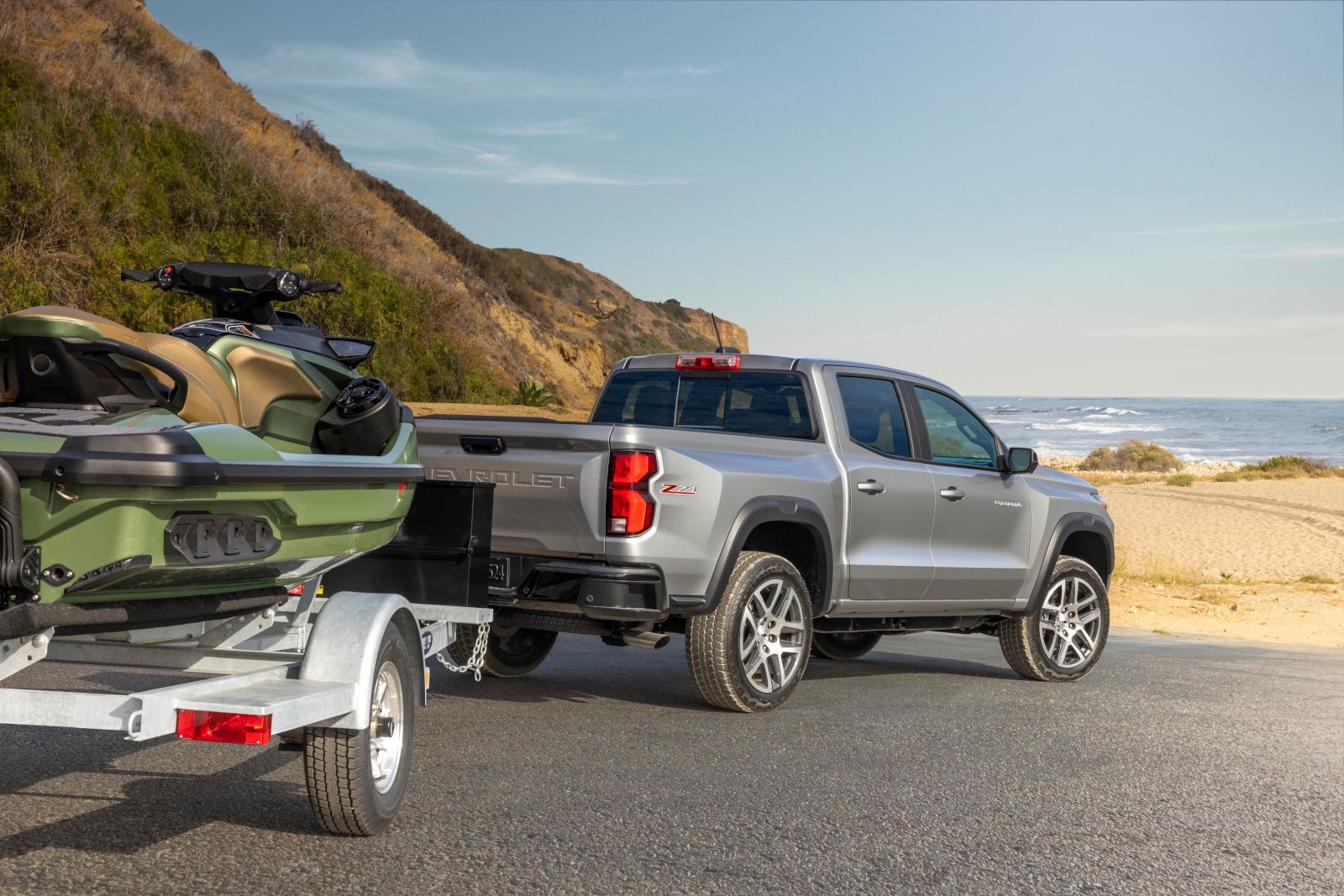
- Towing hardware changes the number. The standard setup tows 3,500 lbs (1,588 kg). Adding the Trailering Package raises that to 7,700 lbs (3,493 kg) and lifts the gross combined weight rating from 9,100 lbs to 13,250 lbs.
- Tongue weight and brakes have limits. Trailer tongue weight should run 10 to 15 percent of loaded trailer weight, up to 770 lbs, and trailer brakes are required above 1,500 lbs of trailer weight.
- Trailering tech isn’t identical across trims. An Integrated Trailer Brake Controller and In-Vehicle Trailering App come standard on Trail Boss, Z71, and ZR2; WT and LT can add them.
- The screens don’t change. An 11.3-inch touchscreen with Google built in and an 11-inch driver display are standard on every trim, so the technology layer stays consistent as you move up.
How the Five Trims Compare
|
Trim |
Ground Clearance |
Payload |
Max Towing |
Fuel Economy (city/hwy) |
|
WT |
201 mm |
2,046 lbs (928 kg) |
3,500 lbs (1,588 kg) standard; 7,700 lbs (3,493 kg) with Trailering Package |
13.6 / 10.7 L/100 km |
|
LT |
201 mm |
2,046 lbs (928 kg) |
3,500 lbs (1,588 kg) standard; 7,700 lbs (3,493 kg) with Trailering Package |
13.6 / 10.7 L/100 km |
|
Trail Boss |
242 mm |
1,726 lbs (783 kg) |
7,700 lbs (3,493 kg), Trailering Package standard |
13.6 / 10.7 L/100 km |
|
Z71 |
226 mm |
1,733 lbs (786 kg) |
7,700 lbs (3,493 kg), Trailering Package standard |
13.6 / 10.7 L/100 km |
|
ZR2 |
273 mm |
1,445 lbs (655 kg) |
6,000 lbs (2,722 kg) |
14.1 / 13.8 L/100 km |
Notice the ZR2 doesn’t chase the 7,700-lb ceiling the way Trail Boss and Z71 do. Its off-road build trades some towing headroom for the tallest ground clearance in the lineup.
Matching the Trim to the Alberta Driver
WT is the jobsite and value-first choice: standard 4WD, the lineup’s highest payload at 2,046 lbs (928 kg), cloth seating, and single-zone manual climate control. It’s built for buyers who want the TurboMax powertrain and full-time capability without paying for comfort features they won’t use.
LT and Z71 widen the appeal toward a comfort-and-utility balance. Both add dual-zone automatic climate control and an available 8-way power driver seat as standard. Z71 goes further with 226 mm of ground clearance, a standard Trailering Package, and red recovery hooks, so it holds work-truck utility while feeling more finished day to day.
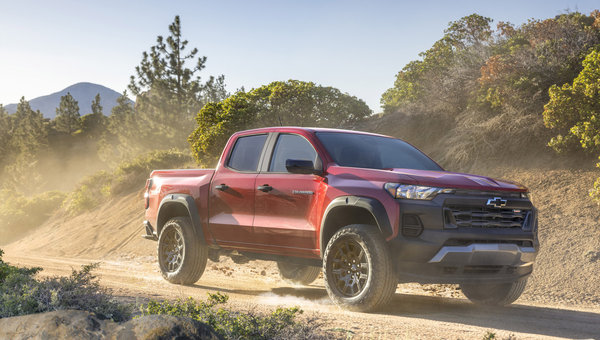
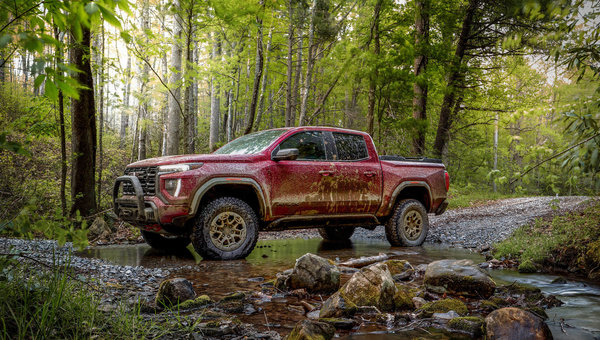
Trail Boss and ZR2 are the off-road-focused picks. Trail Boss brings a factory 2-inch lift, a wider stance at 1,983 mm, a standard automatic locking rear differential, and Hill Descent Control. ZR2 goes further still, adding driver-selectable front and rear locking differentials, Multimatic Jounce Control Dampers, and available AEV skid plates, with 273 mm of clearance for backroad and trail use. That capability comes with the lineup’s lowest payload, at 1,445 lbs (655 kg).
Deciding What You Actually Need
Fuel use is one real trade-off between the groups. WT, LT, Trail Boss, and Z71 all post 13.6 L/100 km city and 10.7 L/100 km highway, while ZR2 runs 14.1 city and 13.8 highway, the cost of its off-road hardware and wider tires. With an 81 L fuel tank across every trim, that difference adds up more on long Alberta highway stretches than around town.
Towing plans should drive trim choice as much as terrain does. If you’re pulling equipment or a trailer regularly, Trail Boss and Z71 already include the Trailering Package that unlocks 7,700 lbs (3,493 kg); WT and LT owners who tow occasionally can add the same package. If your work is about hauling materials in the box rather than behind it, WT or LT’s 2,046-lb (928 kg) payload edge is the more relevant number.
Ownership coverage is consistent no matter which trim you pick: a 3-year/60,000 km basic warranty, a 5-year/100,000 km powertrain warranty, and 5-year/100,000 km roadside assistance back every 2026 Colorado.
Choosing Your 2026 Colorado
The 2026 Colorado’s five trims split cleanly by purpose: WT for value and payload, LT and Z71 for a broader comfort-and-utility balance, and Trail Boss and ZR2 for dedicated off-road capability. Standard 4WD and the shared TurboMax powertrain mean the real differences sit in clearance, payload, and towing hardware.
Visit McDonald Chevrolet in Taber to see the 2026 Colorado lineup in person and work through which trim matches your towing, payload, and terrain needs.